
Understanding risk How psychology shapes gambling decisions
The Psychology of Risk Perception
Understanding how individuals perceive risk is crucial in the context of gambling. Risk perception involves recognizing and evaluating the probability of various outcomes. In gambling, players often overestimate their chances of winning, influenced by cognitive biases and emotional factors. This overconfidence can lead individuals to engage in riskier bets, believing they can control the outcome when, in fact, the odds are against them. Additionally, exploring different gaming options, such as online poker sites, can also shape a player’s risk perception.

The framing effect also plays a significant role in how gamblers approach their decisions. For instance, the way a gambling scenario is presented can influence choices. If a game is portrayed as offering a chance of winning big, individuals may be more inclined to take risks, despite the underlying probabilities suggesting otherwise. Understanding these psychological components can help clarify why players often make irrational decisions in gambling scenarios.
The Role of Emotions in Gambling
Emotions significantly influence gambling behaviors. Positive emotions, such as excitement or euphoria from winning, can lead to impulsive decisions, encouraging further gambling. Conversely, negative emotions, like anxiety or stress, can cause individuals to chase losses, risking even more money in a bid to recoup what they’ve lost. This emotional rollercoaster can create a cycle of gambling that is hard to break.
Furthermore, the concept of loss aversion is particularly relevant in gambling psychology. Many players fear losses more than they value equivalent gains. This fear can compel individuals to gamble more aggressively, attempting to avoid the pain of losing rather than enjoying the potential for winning. Recognizing how emotions shape gambling decisions is essential for developing responsible gambling strategies.
The Impact of Social Influences
Social factors also play a critical role in gambling decisions. Peer pressure, social norms, and cultural attitudes can significantly shape an individual’s approach to gambling. In environments where gambling is celebrated or normalized, individuals may be more inclined to participate, often disregarding the potential risks involved. This social acceptance can create a sense of community, making it more challenging for individuals to recognize the harmful effects of excessive gambling.
Moreover, the presence of social networks can amplify the excitement of gambling, turning it into a shared experience. However, this can also lead to a competitive atmosphere, where individuals feel compelled to keep up with their peers, leading to risky behavior. Understanding the social dynamics at play can provide deeper insights into why people gamble and the risks they are willing to take.
Cognitive Biases in Gambling Decisions
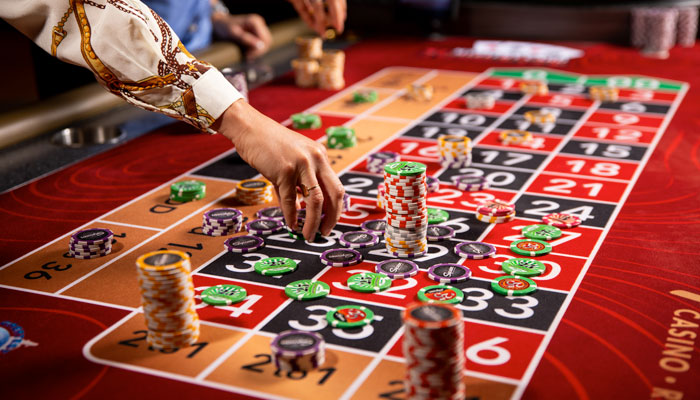
Cognitive biases are systematic errors in thinking that affect judgments and decisions. In gambling, these biases can distort an individual’s understanding of risk and reward. For example, the illusion of control bias leads gamblers to believe they can influence random outcomes, such as the roll of dice or the spin of a roulette wheel. This false sense of control can drive people to take risks they would normally avoid.
Another prevalent bias is the availability heuristic, where individuals assess the likelihood of an event based on recent experiences or memorable outcomes. If someone has recently seen a big win, they may overestimate their chances of winning as well. By recognizing these cognitive biases, players can gain a clearer perspective on their decisions and work towards more rational and informed choices in gambling.
About Our Website
Our website is dedicated to providing comprehensive insights into gambling psychology and risk management. We believe understanding the psychological aspects of gambling can lead to more informed decisions and promote responsible gaming practices. Through articles, research studies, and expert opinions, we aim to educate our audience about the interplay between psychology and gambling.
Join us as we explore various themes in gambling, offering tools and resources to help individuals navigate their gaming experiences responsibly. Whether you’re a casual player or someone seeking a deeper understanding of gambling behavior, our platform provides valuable information to enhance your knowledge.
